
Before you begin
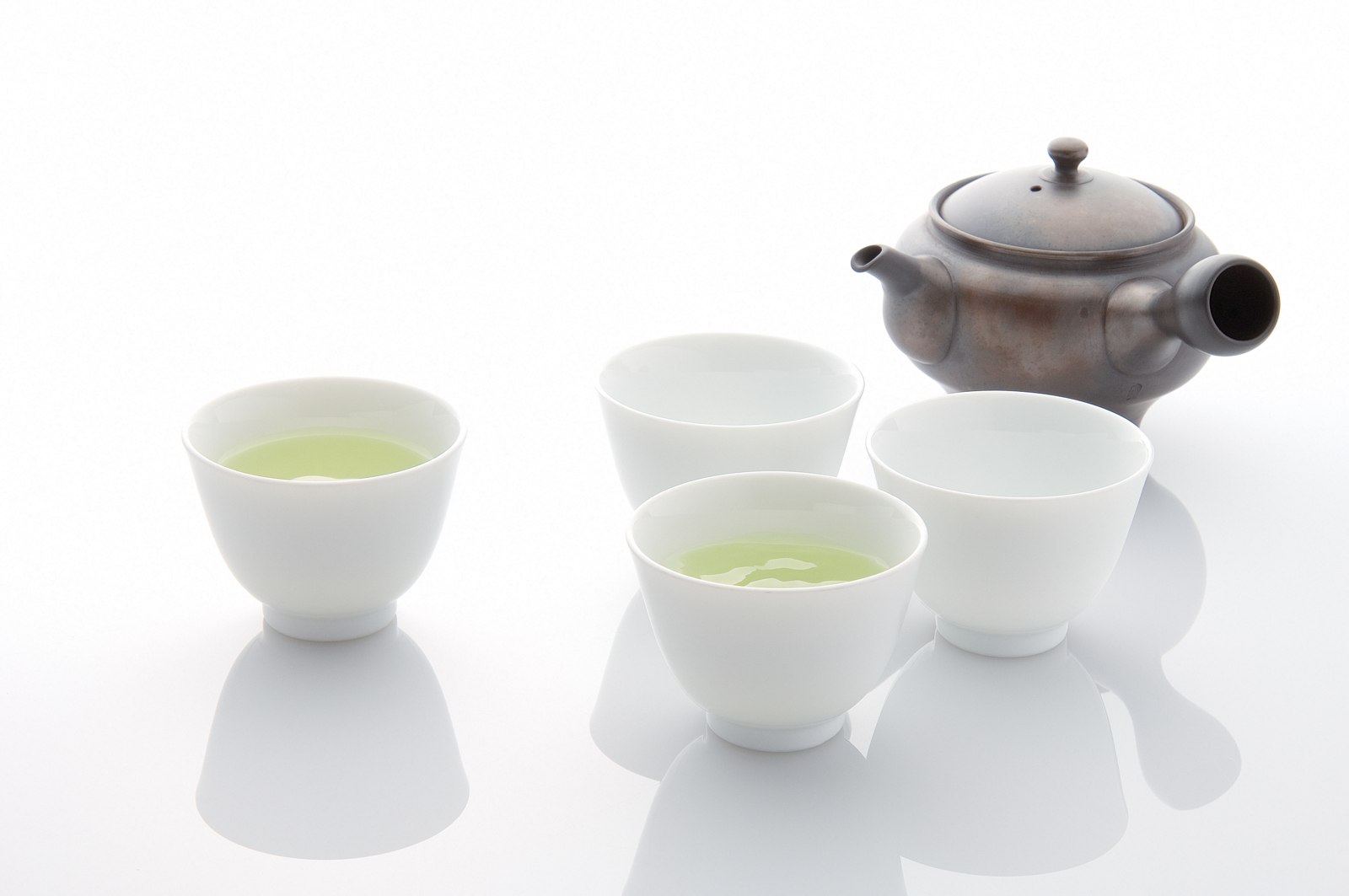
Deep-steamed Guricha includes twisted leaves and fine particles. Once brewed, notice the tea’s aroma, umami and rich green color.
Bring fresh water to a boil, then allow it to cool to the temperature suited to your tea. Handle hot water carefully.
How water temperature changes the flavor
The same tea can taste different at different brewing temperatures. Cooler water tends to bring out less bitterness and astringency, so the umami is easier to taste. Hotter water brings out more bitterness and astringency, giving the tea a brisker finish.
60–65°C · A quiet tea break
For a softer cup with gentle astringency, try water a little cooler than usual. Take your time to appreciate sweetness and umami, adjusting the steeping time gradually.
Around 70°C · Your everyday starting point
A guide for balancing umami and freshness. The loose-leaf Hekiho and premium Hekiho tea-bag examples below both use 70°C. Start with the basic method before adjusting it.
Around 80°C · With Japanese or Western meals
A serving suggestion for a brisker cup with moderate astringency and a clean finish alongside a meal. Avoid steeping too long, and pour out the tea when it reaches your preferred strength.
Amino acids associated with umami can dissolve at lower temperatures. Catechins associated with astringency and caffeine associated with bitterness are extracted more readily at higher temperatures. Temperature changes the balance of flavors, not just their strength.
These are temperatures for the water poured onto the tea, not temperatures at which you must drink it. Let the tea cool until comfortable to sip. Meal pairings are suggestions. Flavor also depends on the product, quantities and steeping time. Start with the product instructions and change one condition at a time.
Brewing loose-leaf tea in a kyusu (Japanese teapot)
- Tea
- 4–6 g
- Water
- 150–200 mL
- Water temperature
- 70°C
- Steeping time
- 30 seconds
01 Boil fresh water
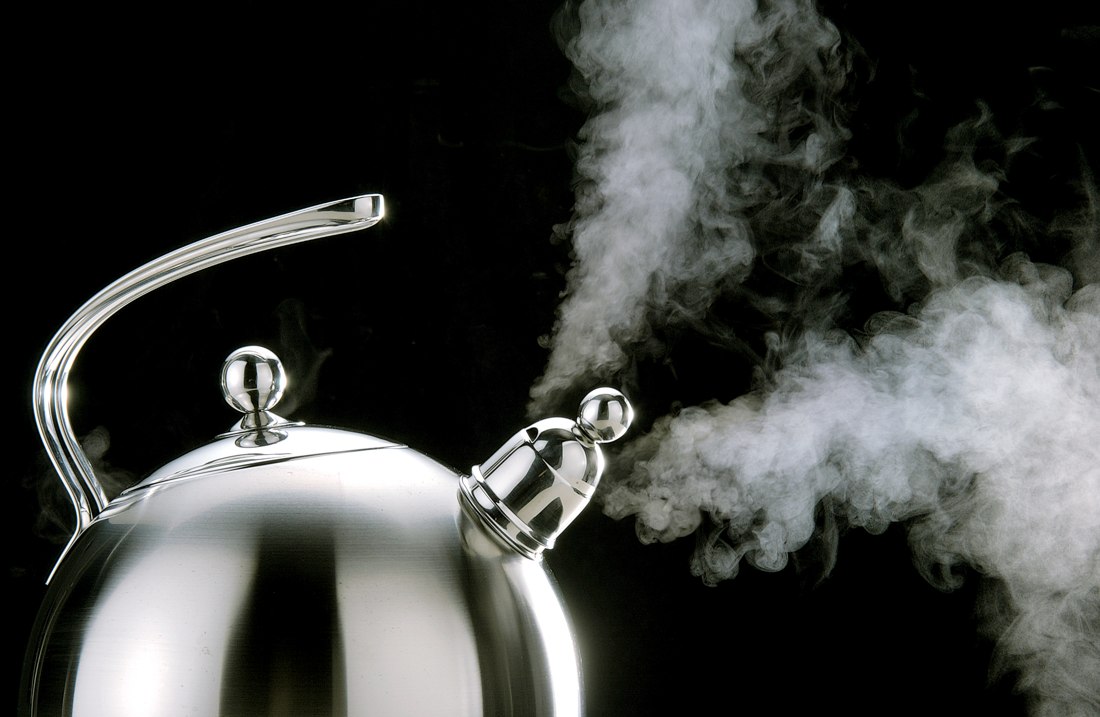
Bring fresh drinking water to a boil.
02 Cool in the cups
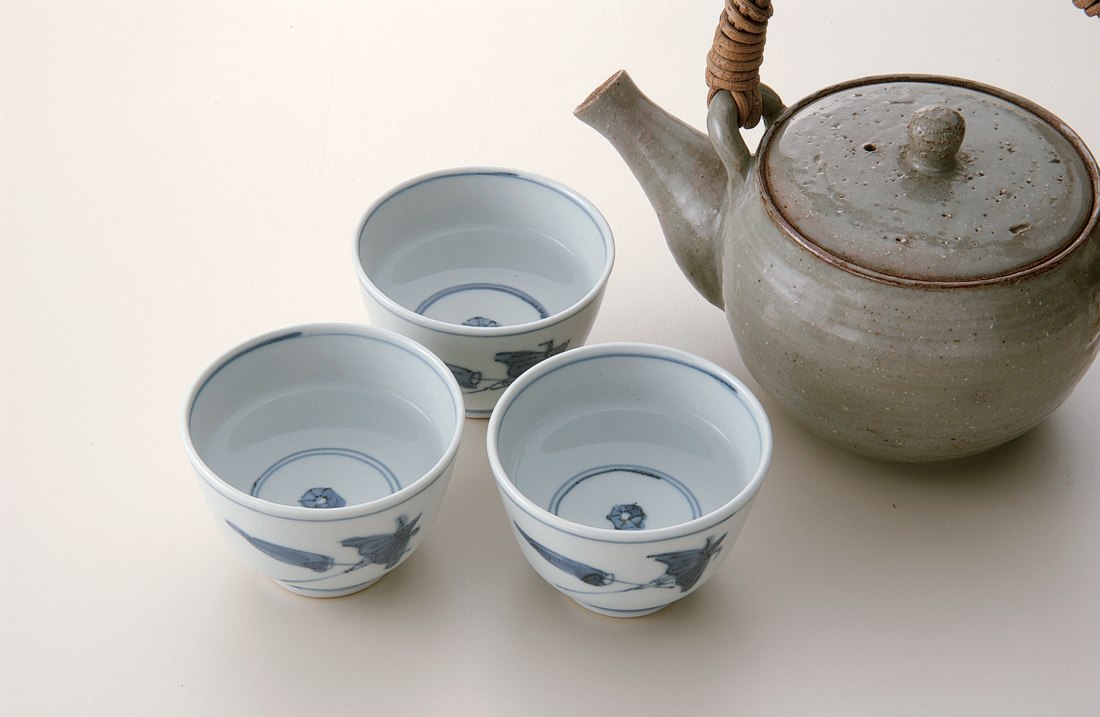
Transfer the water to the cups and allow it to cool to about 70°C.
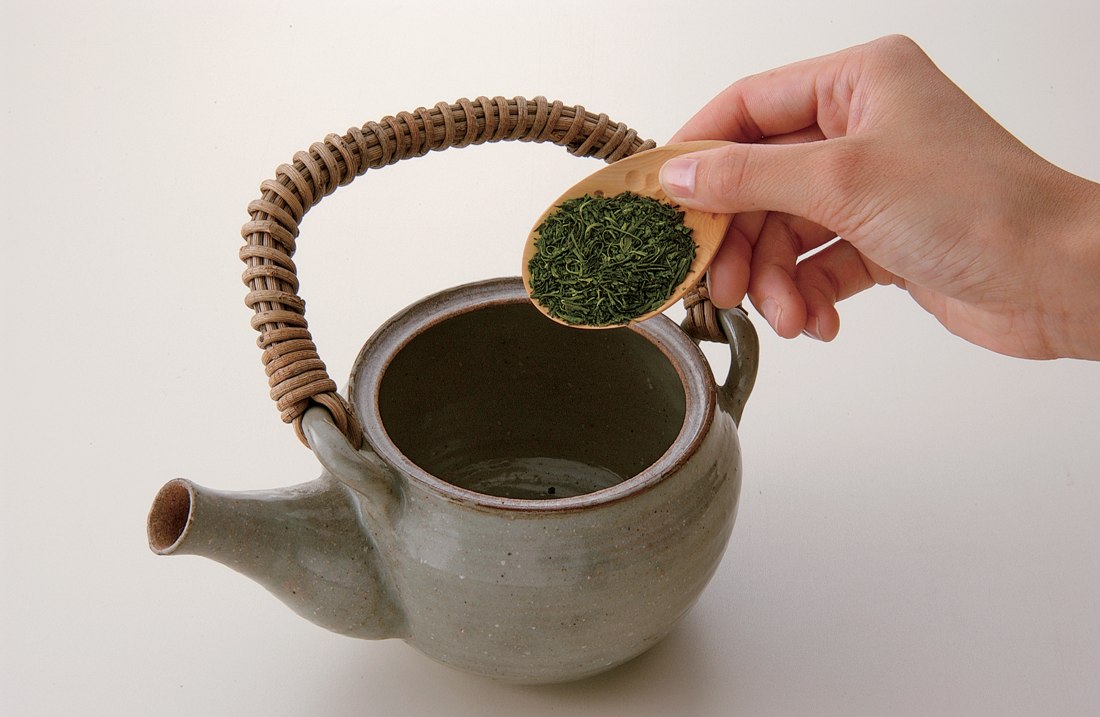
03 Add the tea
Place 4–6 g of tea in the teapot.
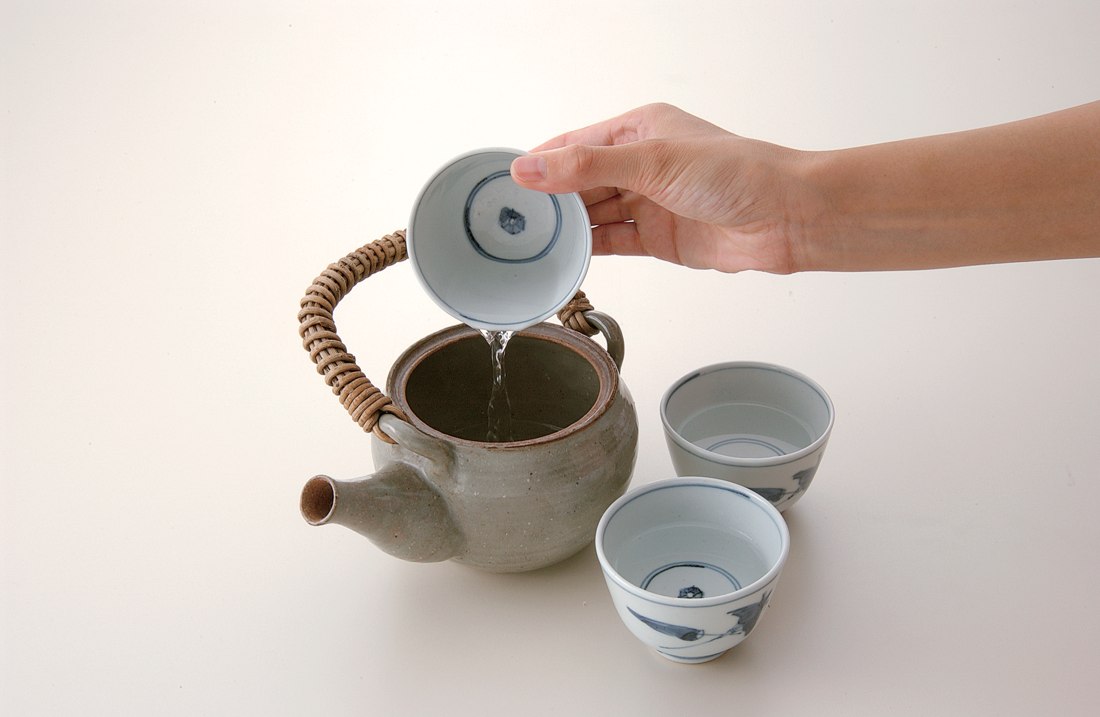
04 Pour in the cooled water
Add 150–200 mL of water.
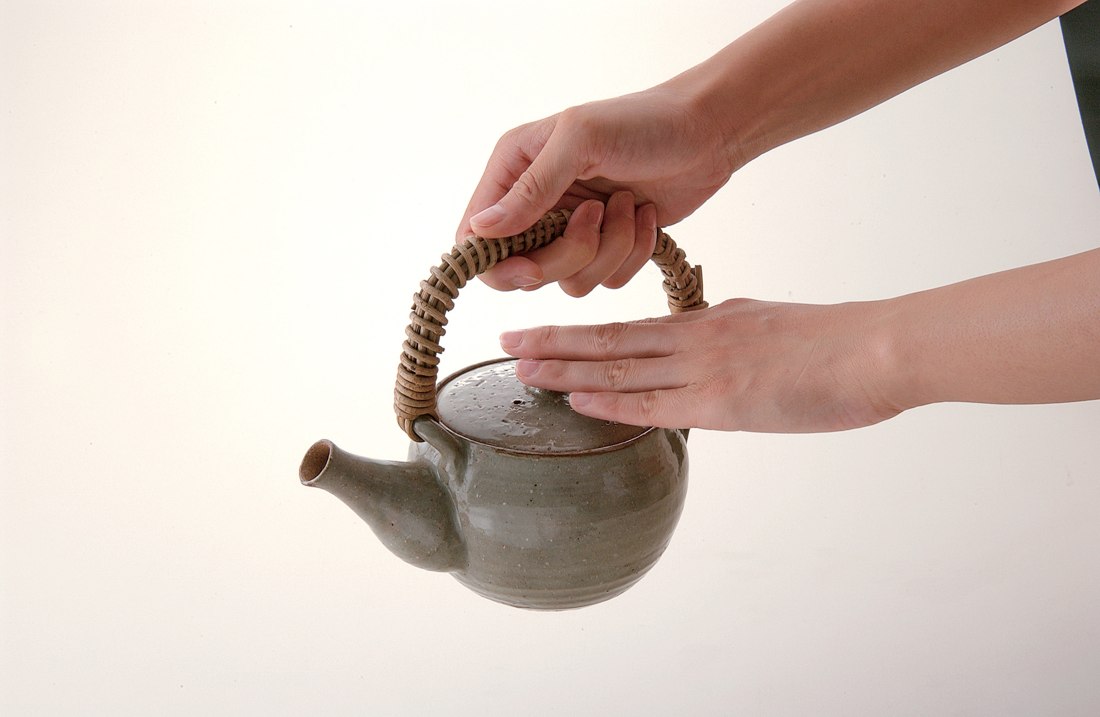
05 Cover and steep
Steep for approximately 30 seconds.
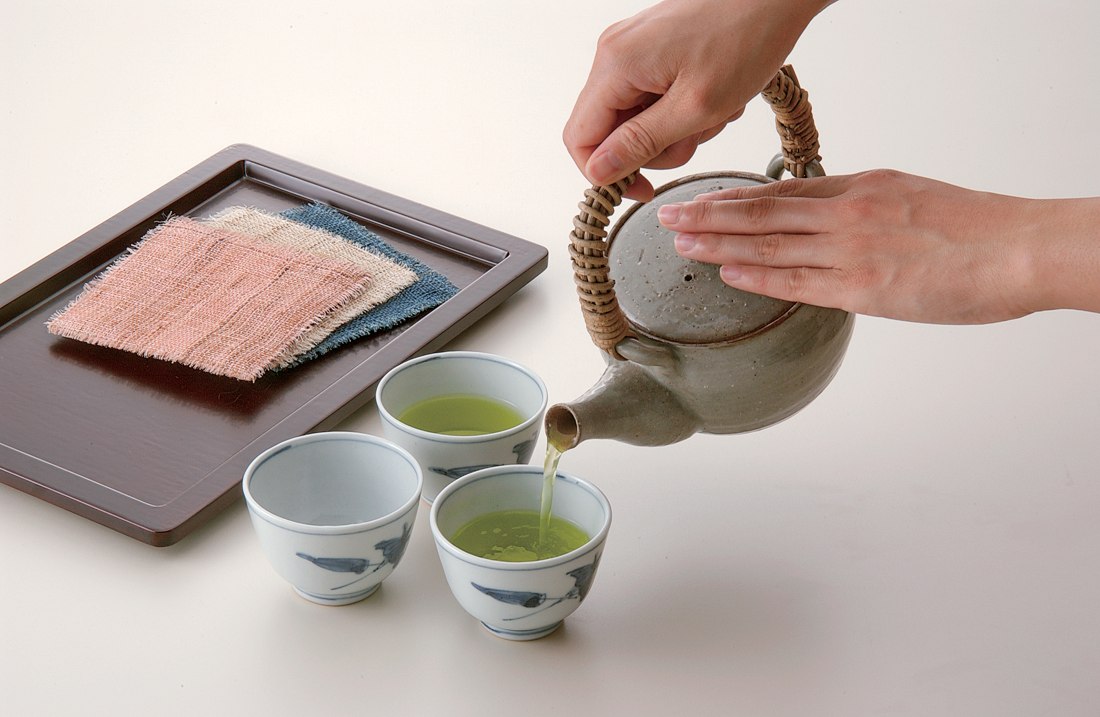
06 Pour out every last drop
Pour a little into each cup in turn. Repeat until the teapot is empty so that every cup tastes equally strong.
This example follows the guide for loose-leaf Hekiho. Adjust for your product and preference.
Premium tea bags, made simple
Our premium tea bags use the same tea as the loose-leaf products with the same names, with no need to measure the leaves. Enjoy them in a Japanese teacup (yunomi) or a mug.
- Tea bags
- 1 bag
- Water
- 150–200 mL
- Water temperature
- 70°C
- Steeping time
- 30 seconds
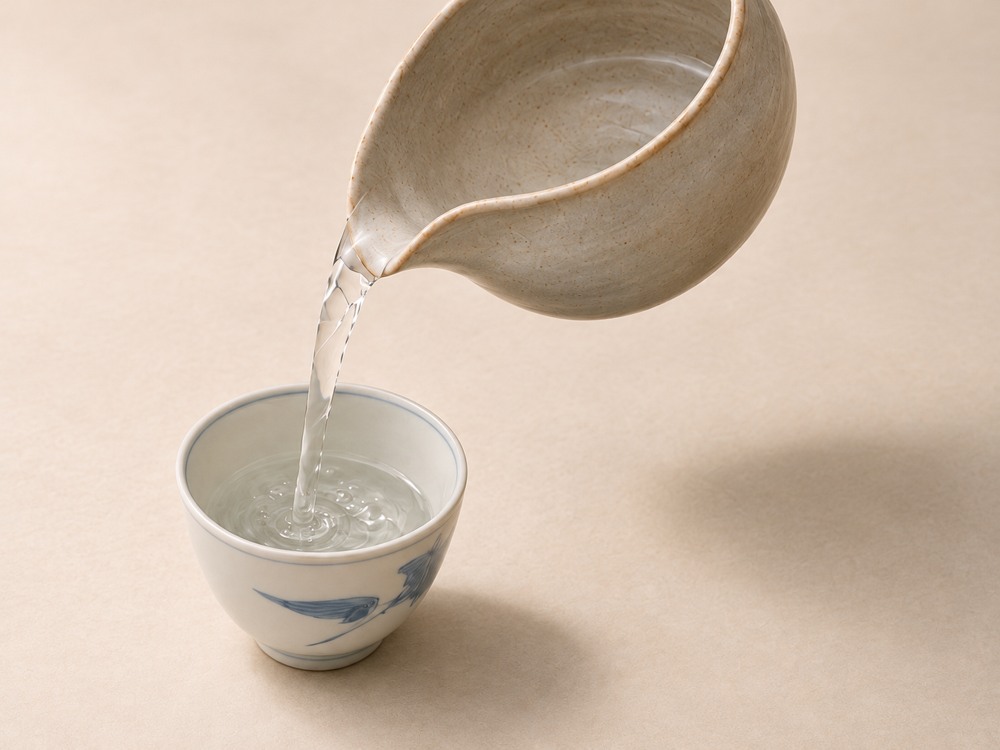
01 Pour and cool the water
Pour freshly boiled water into your cup and let it cool to around 70°C. Use 150–200 mL.
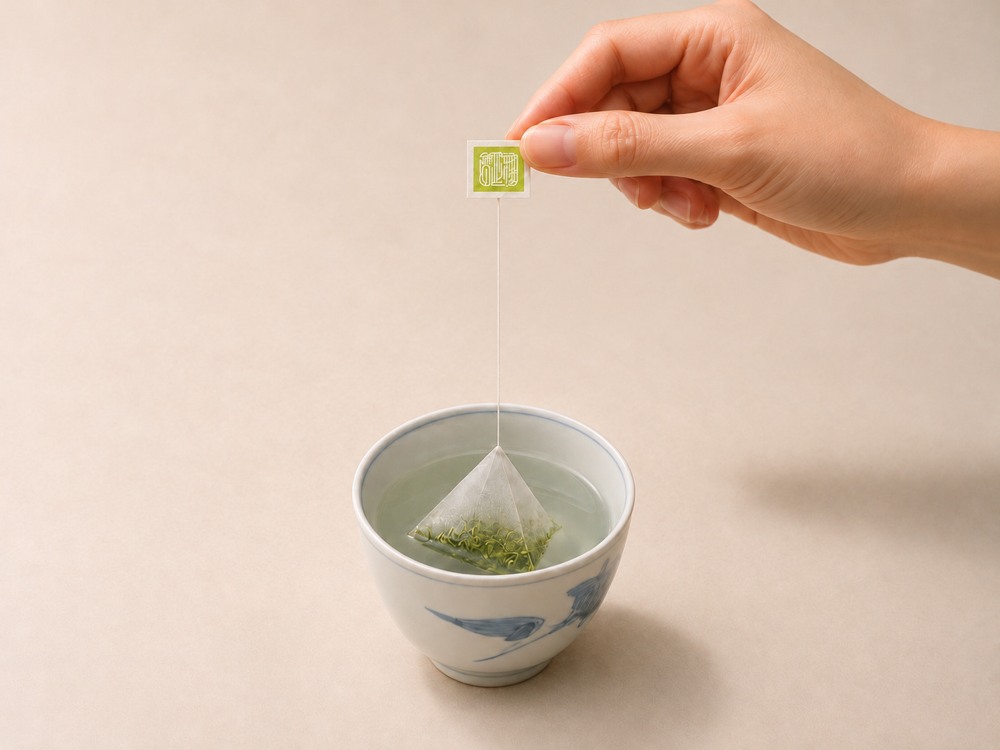
02 Add one tea bag
Lower one tea bag into the water.
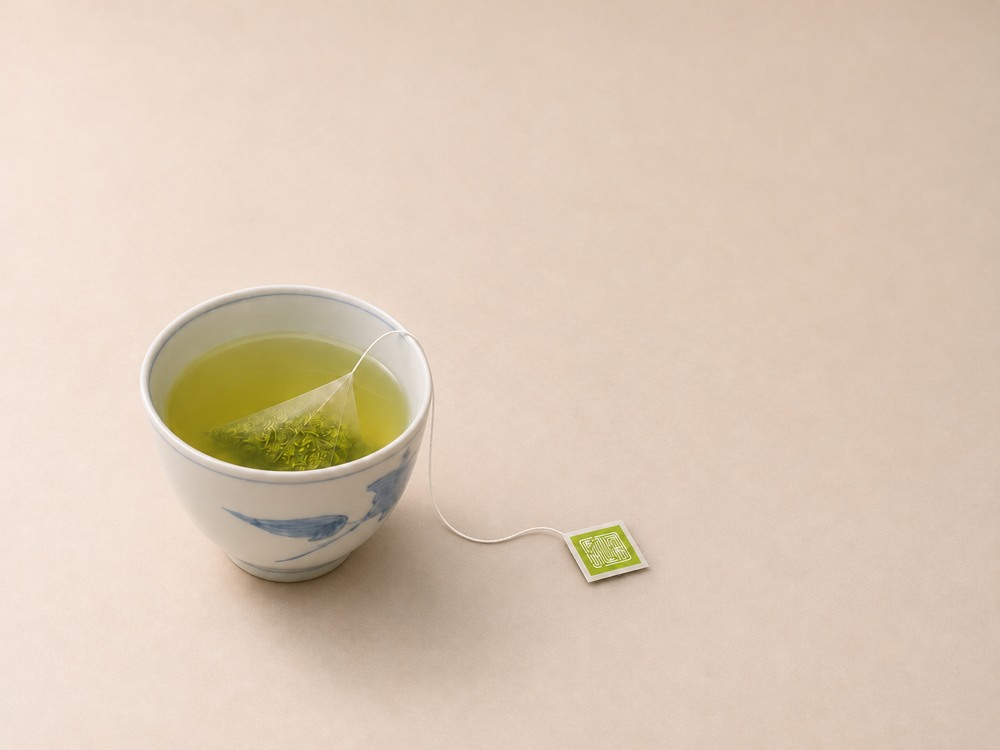
03 Let the tea bag steep undisturbed
Steep for approximately 30 seconds.
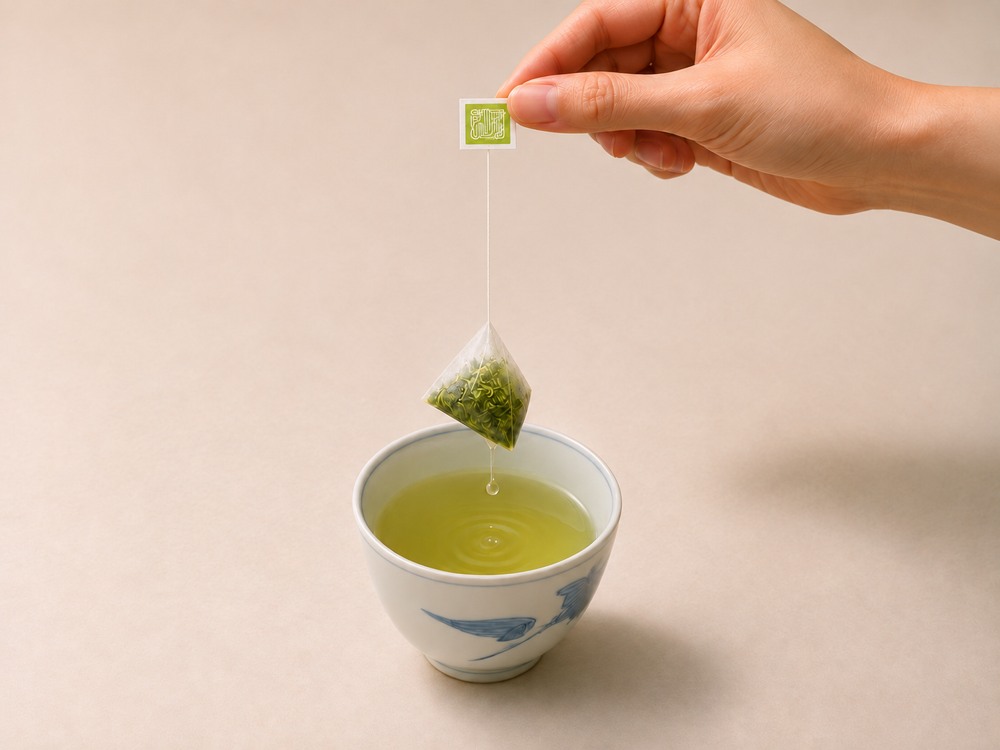
04 Remove the tea bag
When the tea reaches your preferred strength, hold the tag and lift out the bag.
This example follows the product guide for premium Hekiho tea bags.
Value-pack tea bags in a teapot
- Tea bags
- 1 bag
- Water
- 150–200 mL
- Water temperature
- 80°C
- Steeping time
- 30–40 seconds
- Let freshly boiled water cool to around 80°C.
- Place one tea bag in a teapot and add 150–200 mL of water.
- Steep for 30–40 seconds, then pour out all the tea.
This is a teapot-brewing example for Guricha value-pack tea bags. Do not apply it automatically to other teas such as hojicha.
Make small changes to find your cup.
Too astringent?
Check whether the water was too hot or the steeping time too long. Return to the basic conditions, then change one variable at a time.
Too light?
Check that you have not used too much water for the amount of tea. Adjust tea quantity, water volume or time separately.
Different product instructions?
Follow the instructions for that product. Tea type, quantity and vessel size all affect the best brewing conditions.
How does Guricha differ from sencha?
Sencha undergoes seiju, a precision-rolling stage that forms thin, straight leaves. Guricha skips seiju and uses a rotating re-drying stage called saikan. This difference is separate from how long the leaves are steamed.
Why are some leaves so fine?
Longer steaming softens the leaves, making fine particles more likely. This is characteristic of deep steaming; leaf size alone does not determine quality.