
YOUR TEA
Find the tea in your hands
Choose your package to discover its flavour and the leaves inside.
Shared characteristics of this range
01 / YOUR TEA
What does it taste like?
Carefully blended teas bring together the deep umami of shade-grown leaves and a soft sweetness. Deep steaming creates a mellow, satisfying cup.
- Deep umami
- Gentle sweetness
- Refined finish
What goes into this tea
- Harvest
- First-flush spring tea.
- Cultivars
- Yabukita, Saemidori and Yutaka Midori.
- Origins
- Shizuoka, Kagoshima and Miyazaki.
- Cultivation & finish
- Shade-grown and open-field leaves, finished with deep steaming.
02 / WHAT IS GURICHA?
Guricha is Japanese green tea.
Its formal name is mushisei tamaryokucha—steamed tamaryokucha.
“Guricha” is a name used for this style of green tea in places such as Izu. It describes how the tea is made, rather than a particular tea cultivar.
Sencha, deep steaming and the shape of the leaves

How is it different from sencha?
Both are Japanese green teas. One important difference is the final shaping step. Sencha goes through seiju, a rolling process that shapes the leaves into fine, straight needles. Steamed tamaryokucha skips this step and is dried without being straightened, leaving the leaves with curves and twists.
Why don’t all the leaves look round?
The appearance also depends on how deeply the leaves are steamed. Sugiyama’s Guricha is deep-steamed, so the softened leaves break into finer pieces. You will see small, twisted leaves rather than uniformly round shapes.
What does deep steaming bring to the cup?
Fukamushi means deep steaming: the fresh leaves are steamed for longer. Sugiyama uses this method to create a vivid green infusion and a smooth, mellow mouthfeel. Combined with careful blending, it brings out the tea’s umami—its savoury richness—and gentle sweetness. Each product has its own balance of flavour and aroma, as described above.
Guricha and deep steaming: two different descriptions.
Guricha refers to the tea’s finishing method. Deep steaming refers to the degree of steaming. They are not competing types of tea: Sugiyama’s Guricha is steamed tamaryokucha made using the deep-steaming method.
03 / ABOUT SUGIYAMA
A tea specialist from Ito, Izu.
Founded in 1960, Sugiyama Tea Factory has shared Guricha from Ito in Japan’s Izu region.
Read about Sugiyama’s tea-making
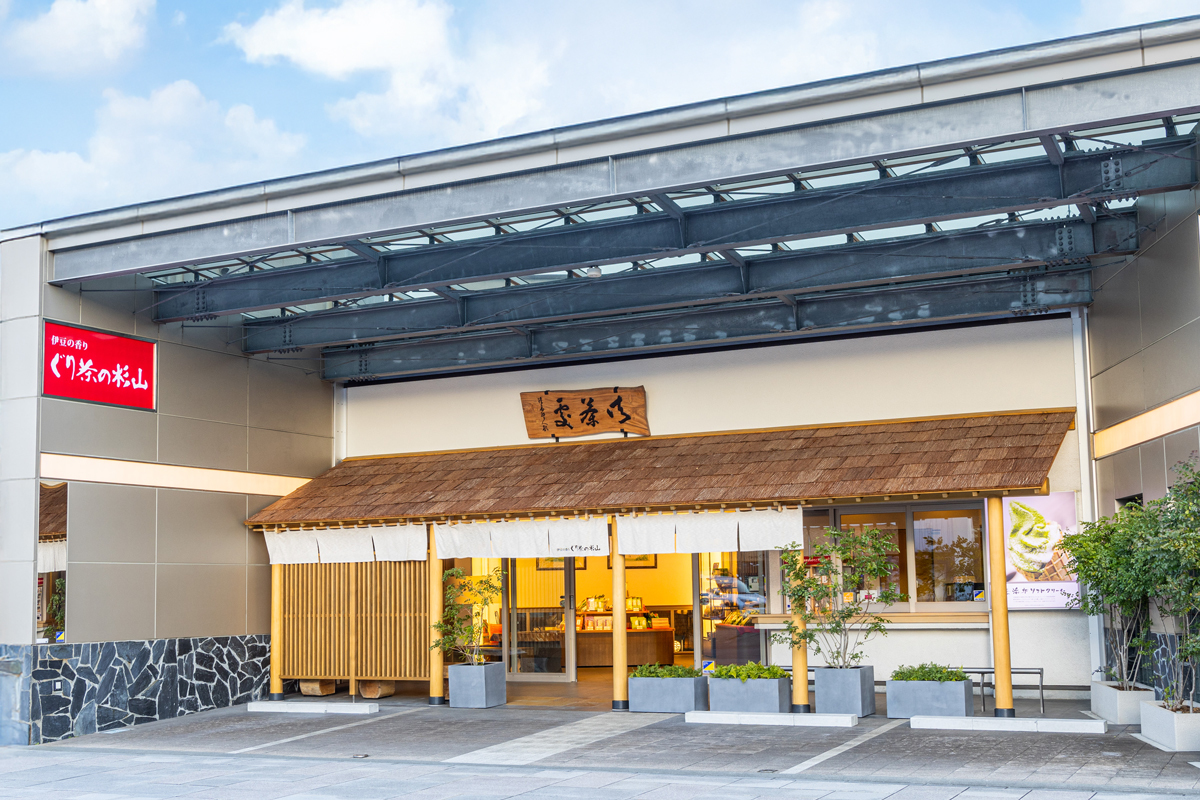
Our taste comes from careful selection and blending.
We select tea from Shizuoka, Kagoshima and Miyazaki, considering each origin and cultivar. Shade-grown leaves offer mellow sweetness, while open-field leaves contribute a fresh aroma. Blending brings these individual qualities together.
Deep steaming, made for everyday enjoyment.
Our aim is a cup whose flavour and green colour are easy to enjoy at home. From a tea discovered on a trip to Izu to a familiar cup on your own table, this approachable taste is at the heart of Sugiyama.
How to brew this tea
HOW TO BREW
Your perfect cup
Hot or cold. A little care makes a lovely cup.
Brewing with hot water
- Tea
- 4–6g
- Water
- 150–200ml
- Temperature
- 70°C
- Time
- 30 sec
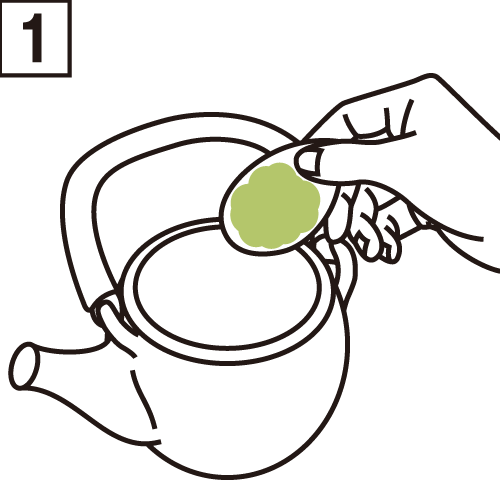 Place 4–6g of tea in a teapot.
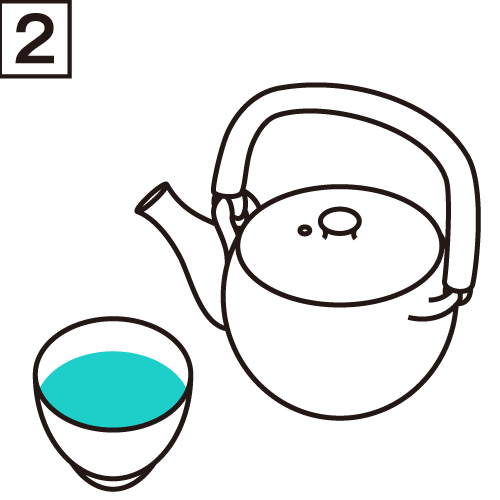 Cool freshly boiled water to 70°C.
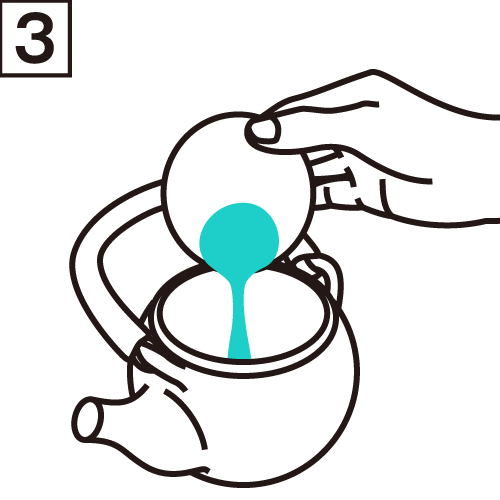 Add 150–200ml and steep for 30 seconds.
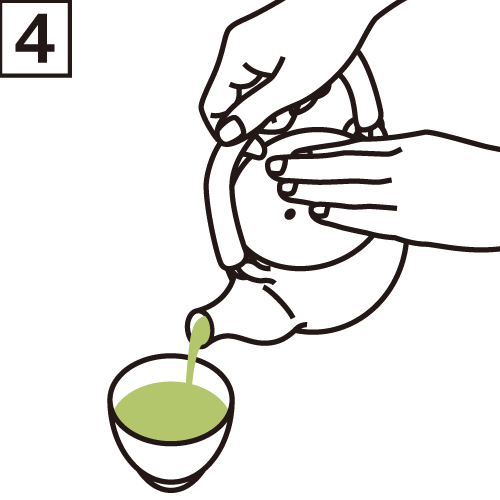 Pour out completely.
Enjoy it cold
For loose leaf, use 4–6g with about 500ml of water. Refrigerate for 1–2 hours, then strain.
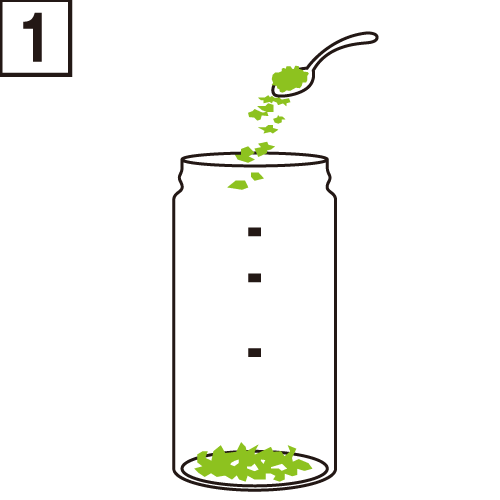 Place 4–6g of leaves in a bottle.
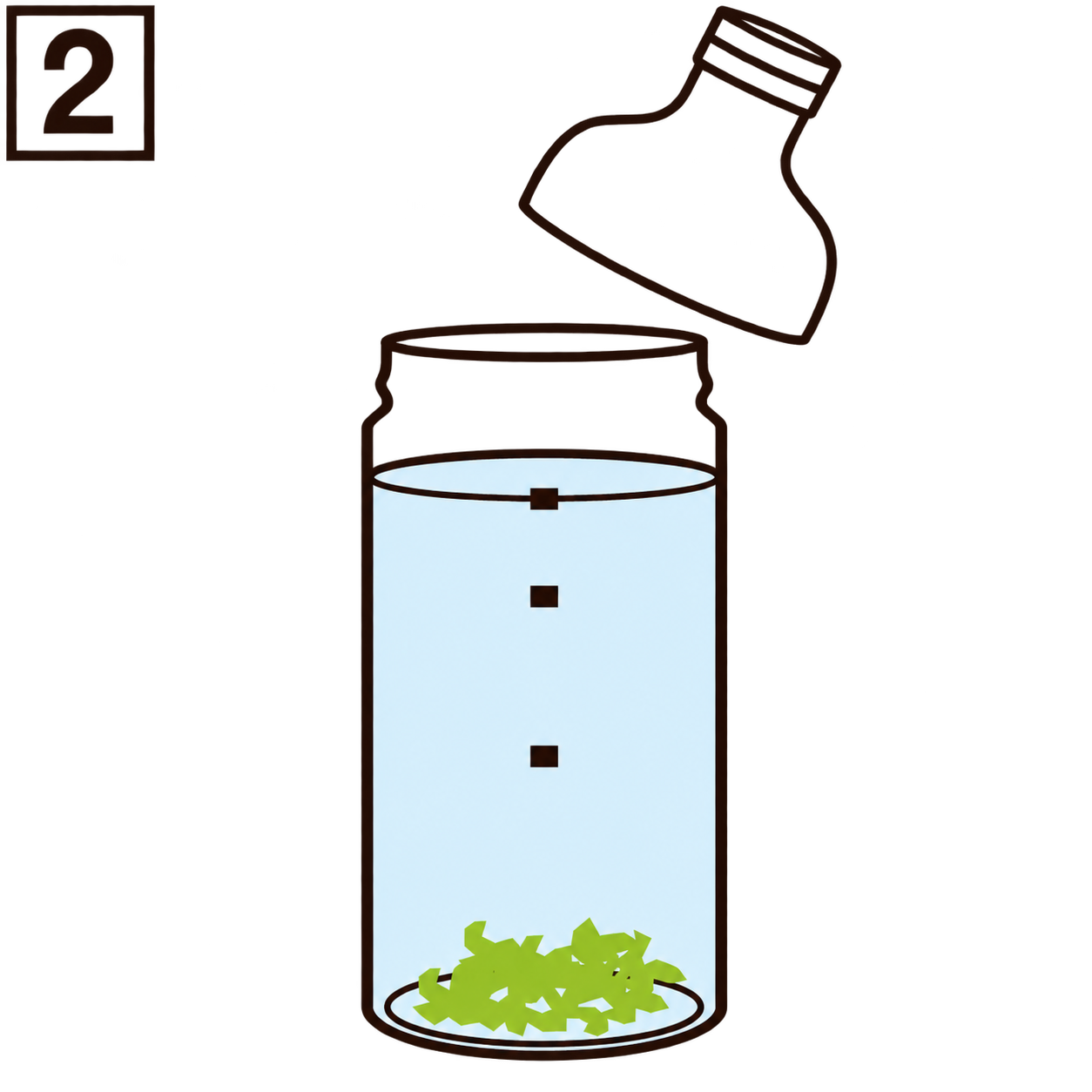 Add about 500ml of water.
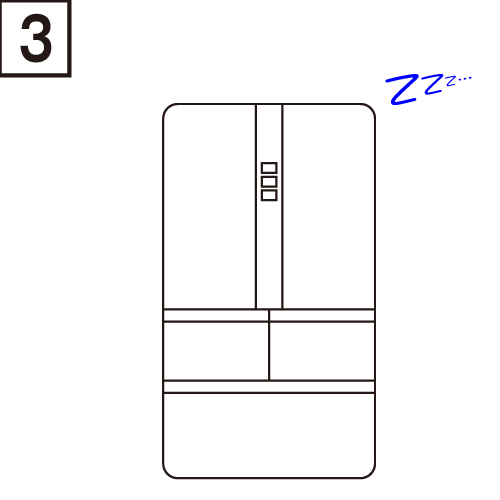 Refrigerate for 1–2 hours.
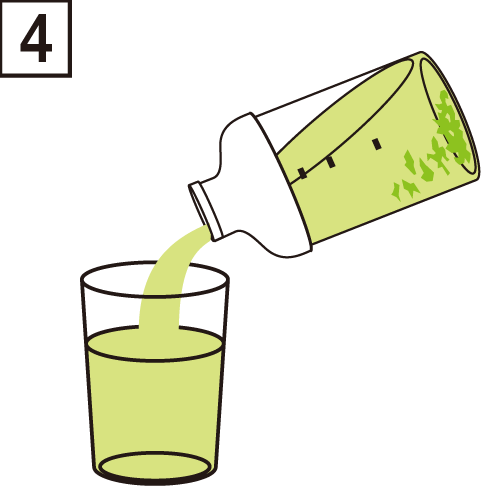 Strain and enjoy at your preferred strength.
Brewing with hot water
- Tea
- 1 tea bag
- Water
- 150–200ml
- Temperature
- 70°C
- Time
- 30 sec
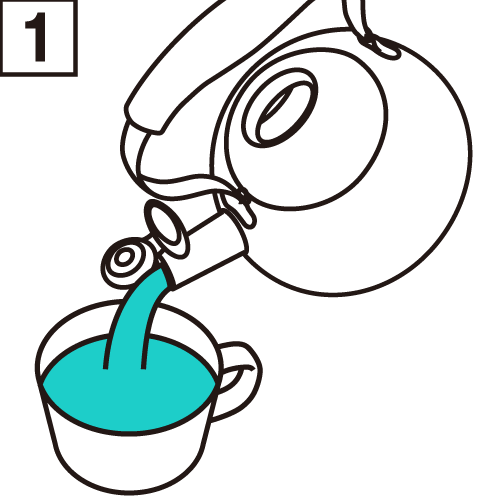 Pour freshly boiled water into a cup.
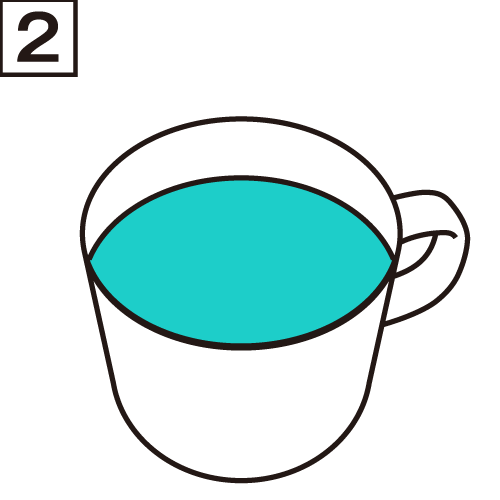 Let it cool to 70°C.
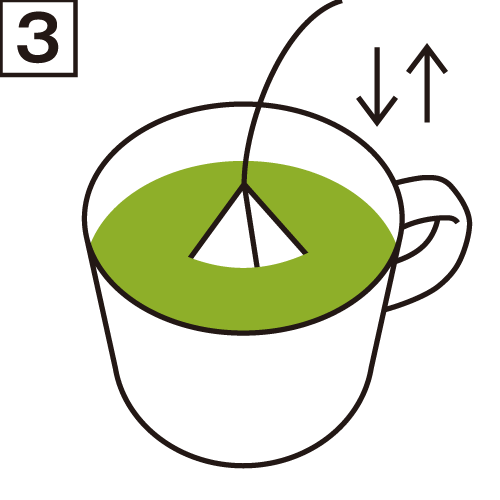 Add one tea bag and steep for 30 seconds.
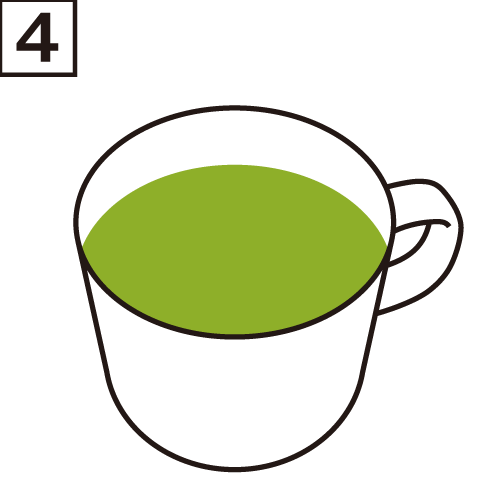 Remove the tea bag at your preferred strength.
Enjoy it cold
For a 500ml bottle, use 1–2 tea bags and refrigerate for 1–2 hours. Adjust to taste.
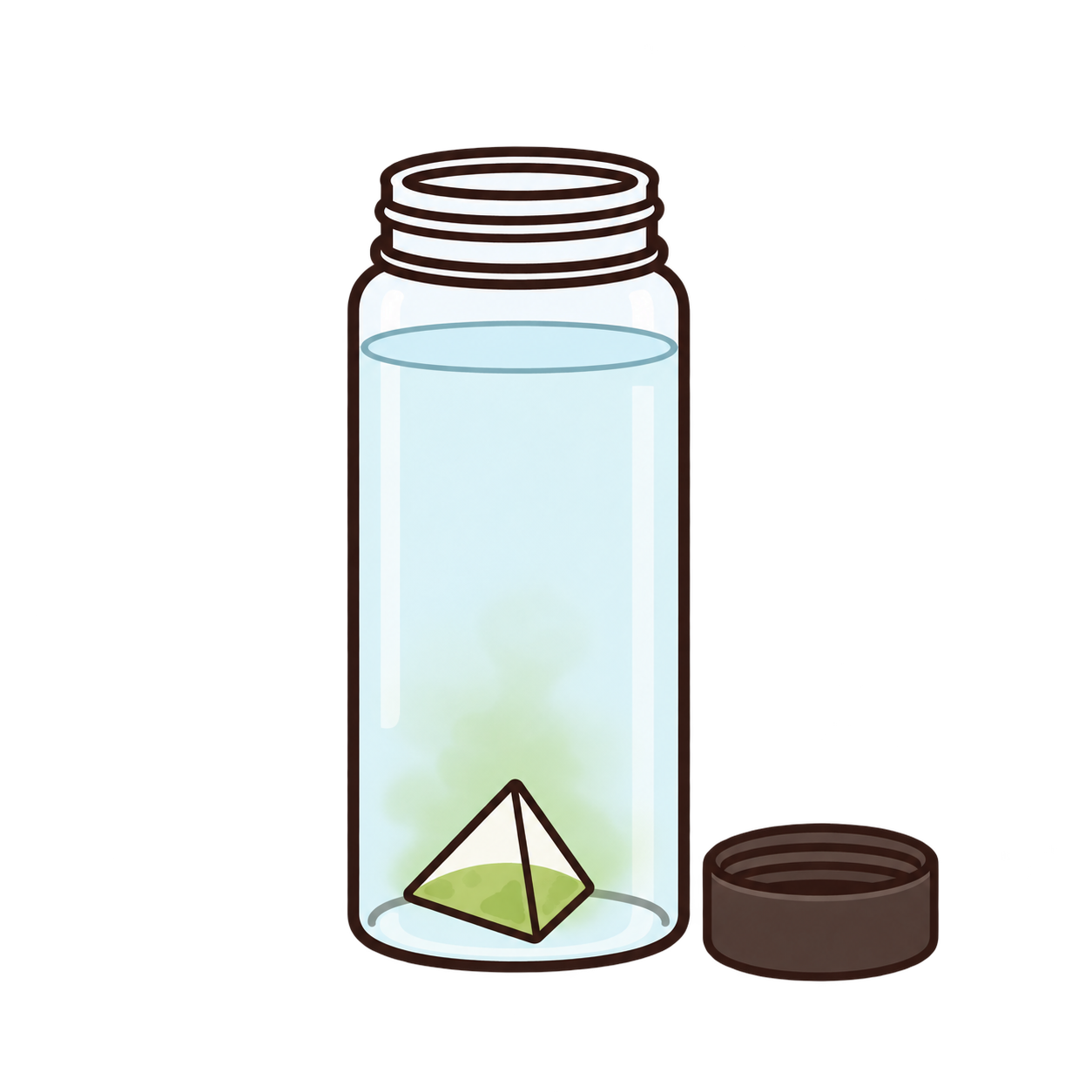
The illustrations show the brewing process. Use the quantities and times written above as a starting point and adjust to taste. Keep cold-brew tea refrigerated.
About the tea-bag filters
Plant-based PLA filter
PLA (polylactic acid) is a plant-based plastic made using starches or sugars from plants such as corn. It is one way of reducing reliance on petroleum-derived raw materials.
It is biodegradable under suitable conditions, including temperature and moisture, through the action of microorganisms. Biodegradation depends on the disposal environment and conditions; it does not mean it will quickly disappear in any setting.
- Used in
- Tenkaichi, Gyokuten and Gokujo tea bags
- Shape
- Pyramid-style bags give the leaves room to infuse. Stringed bags are easy to remove from a cup.
After use, follow local waste-disposal rules for the product and its components.
Find the same tea again
ENJOY IT AGAIN
Enjoy the same tea again
Find your tea by its name, package and size.
Available on Amazon US
Shop these products on Amazon.com in the United States.
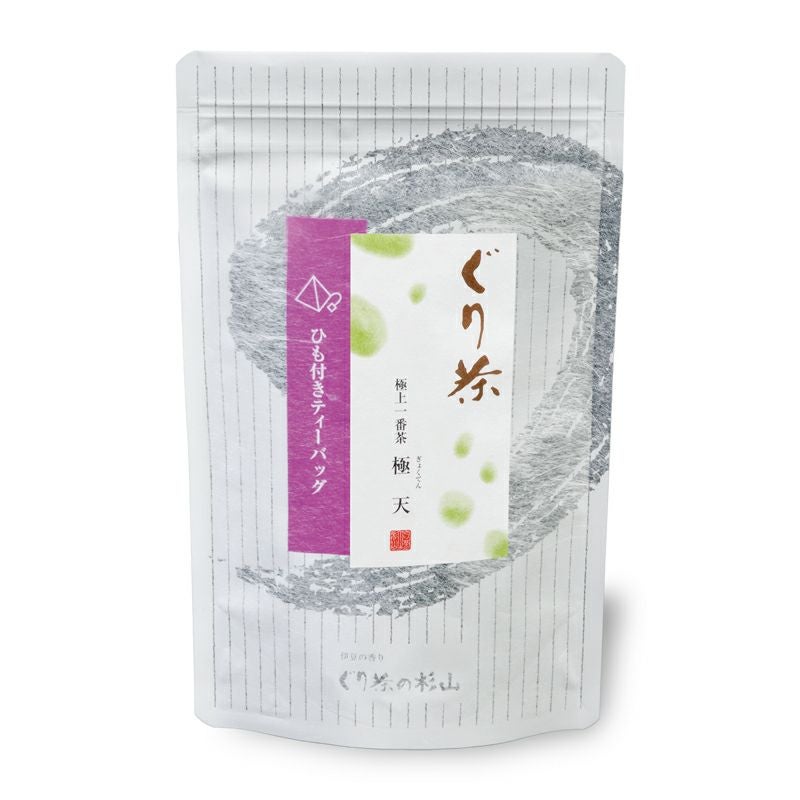
Tea bags
Gyokuten
極天
Mellow umami followed by a refreshing aroma.
60g / approx. 15 bags
View on Amazon USFor purchase in Japan
These links take you to our Japanese online store for purchases within Japan.
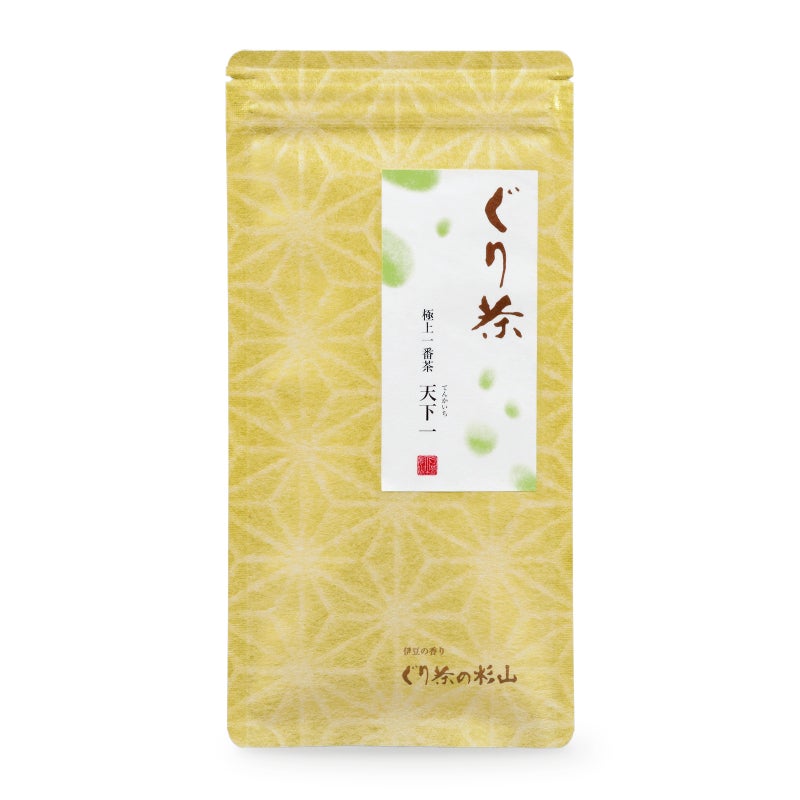
Loose leaf
Tenkaichi
天下一
Rich umami with a soft, mellow sweetness.
80g
Buy in Japan: Tenkaichi Loose leaf 80g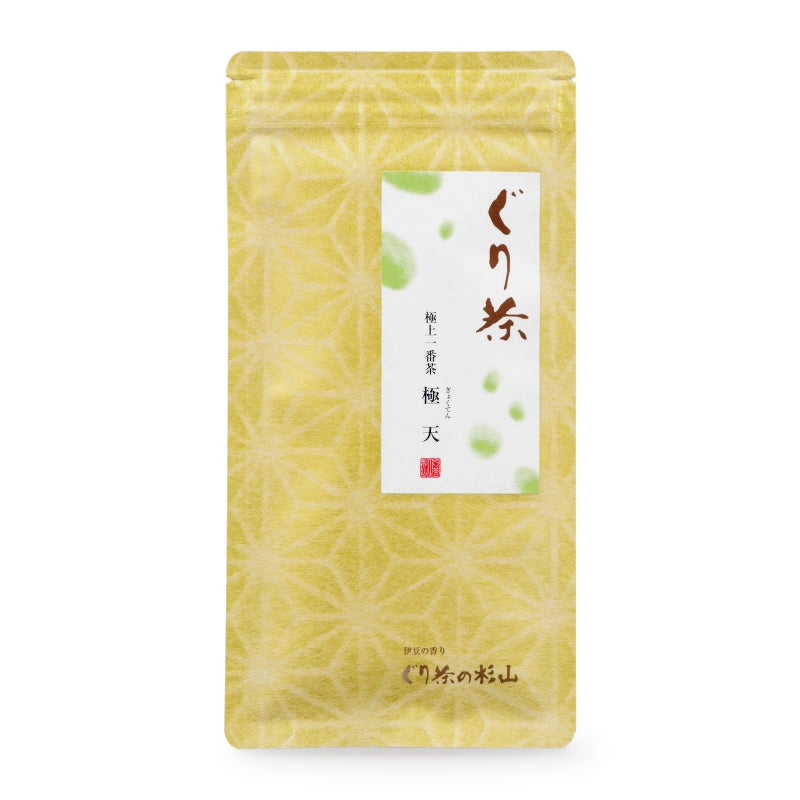
Loose leaf
Gyokuten
極天
Mellow umami followed by a refreshing aroma.
80g
Buy in Japan: Gyokuten Loose leaf 80g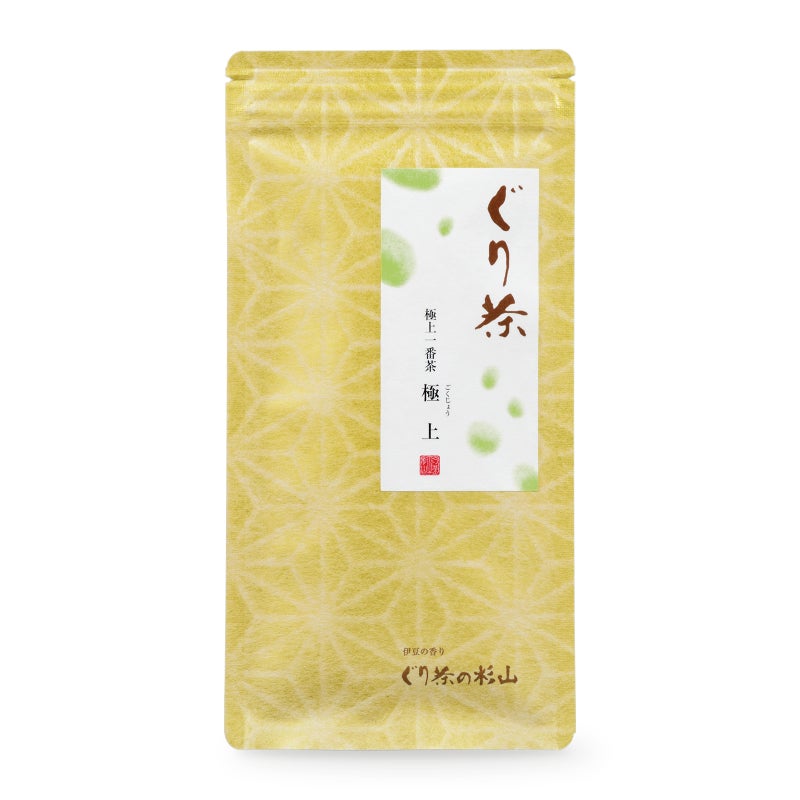
Loose leaf
Gokujo
極上
A pleasing balance of richness and easy drinking.
80g
Buy in Japan: Gokujo Loose leaf 80g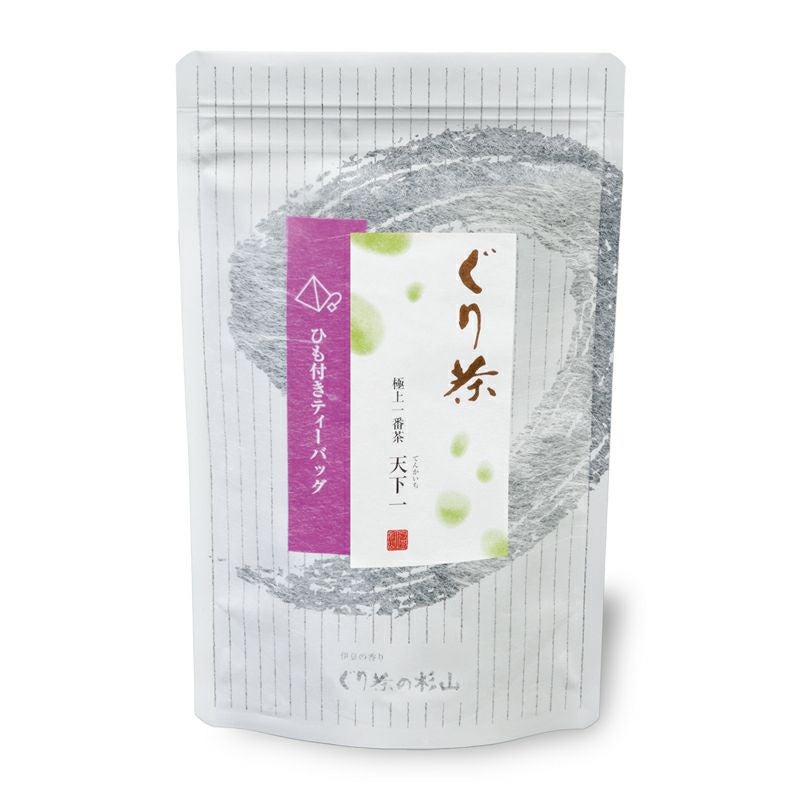
Tea bags
Tenkaichi
天下一
Rich umami with a soft, mellow sweetness.
60g / approx. 15 bags
Buy in Japan: Tenkaichi Tea bags 60g / approx. 15 bags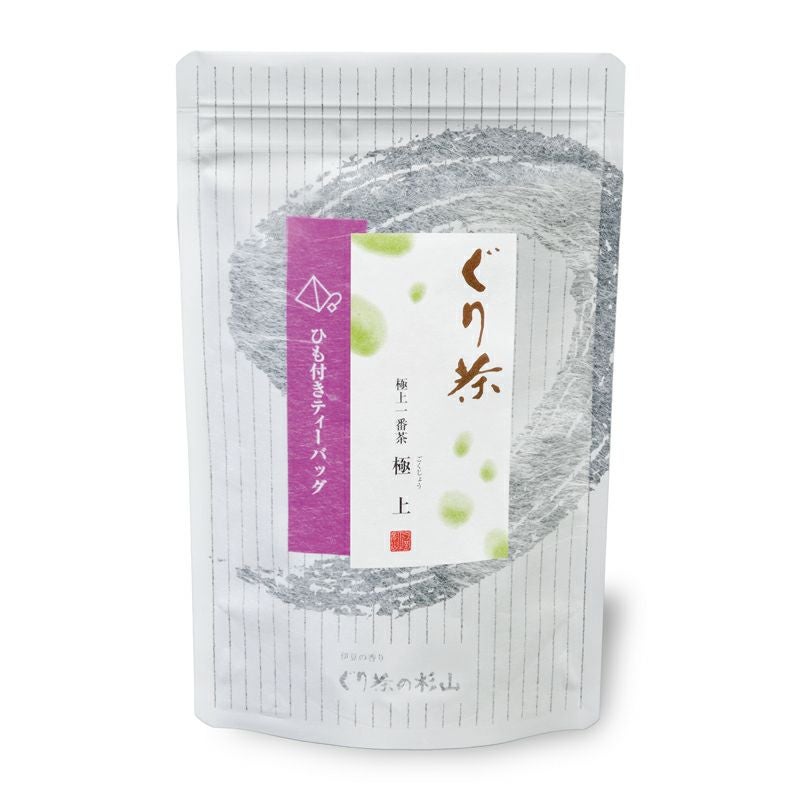
Tea bags
Gokujo
極上
A pleasing balance of richness and easy drinking.
60g / approx. 15 bags
Buy in Japan: Gokujo Tea bags 60g / approx. 15 bags